


YOU CAN STEP BOLDLY UP KILIMANJARO WITH CMF SEPTEMBER 5-16, 2027!
Imagine the rush of adrenaline, the majestic views, your sense of accomplishment and the memories you’ll make on this once-in-a-lifetime adventure.
But this trip is more than just an opportunity to cross something off your “bucket list.” By climbing Kilimanjaro with CMF you’ll be stepping boldly for a bigger purpose. Your efforts can inspire others to get involved and to give to the Missions of Hope International (MOHI) ministry in Kenya, helping build a school in Korogocho, a densely populated informal settlement in Nairobi, where many families face extreme poverty and limited access to essential services.
Our challenge for you
Our ultimate challenge to you is to use your Kilimanjaro climb as an opportunity to transform lives through Christ’s love.
We want you to be one of a select group of 25 people who climb Kilimanjaro. As part of your overall experience, you will commit to raise/give $10,000 (minimum) to support Missions of Hope International (MOHI) in Nairobi, Kenya.
Our goal is to raise $500,000 from our 25-member climbing crew. These funds will be used to build a permanent home for the Grogan school.
MOHI is a Kenyan led-ministry and partner of CMF. More than 33,000 children attend its 38 communities throughout Kenya, Ethiopia, and Liberia. To learn more about the history and growth of MOHI, click here.
the mission
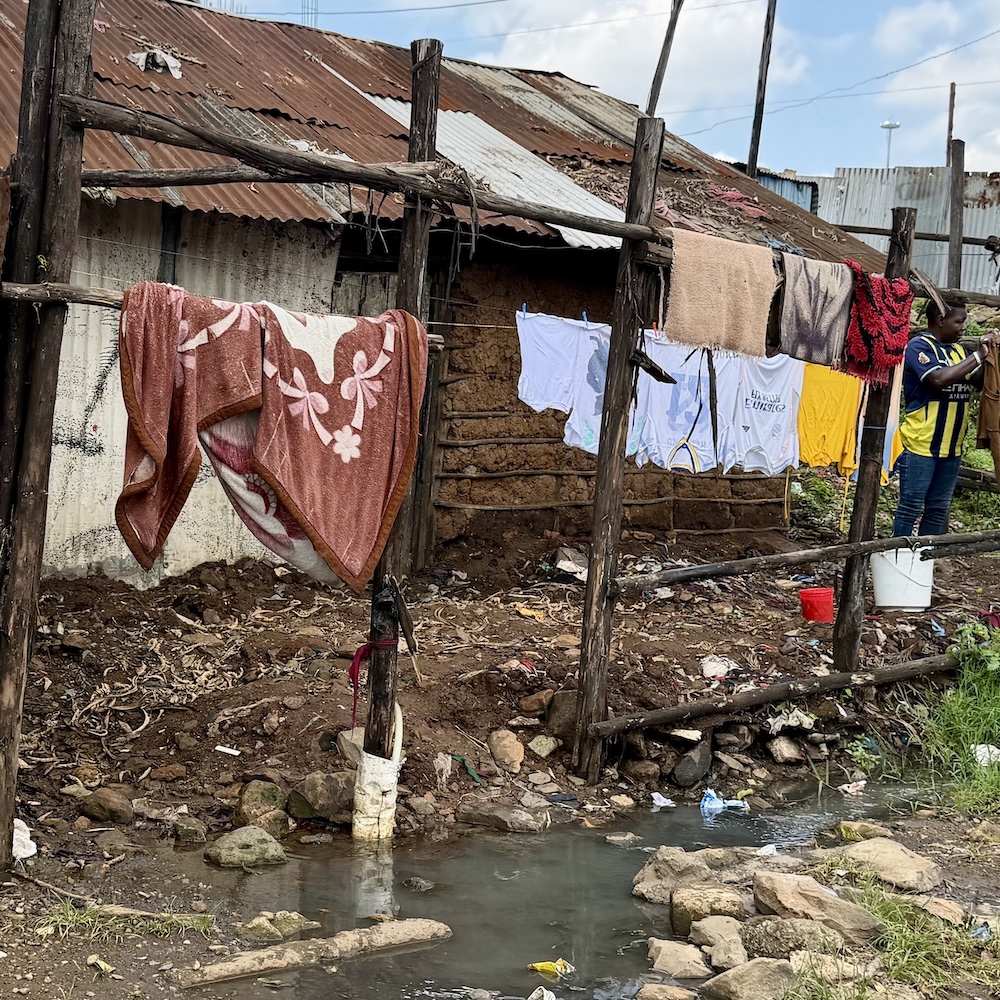
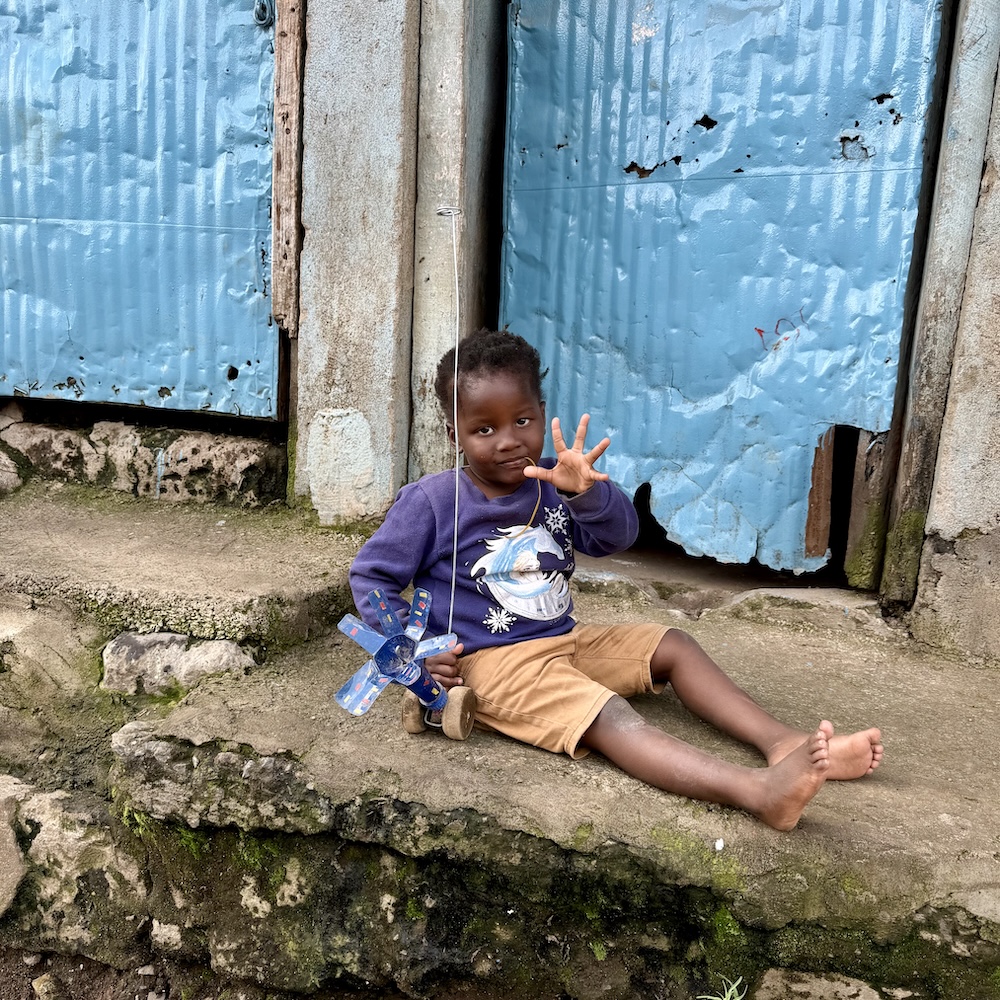
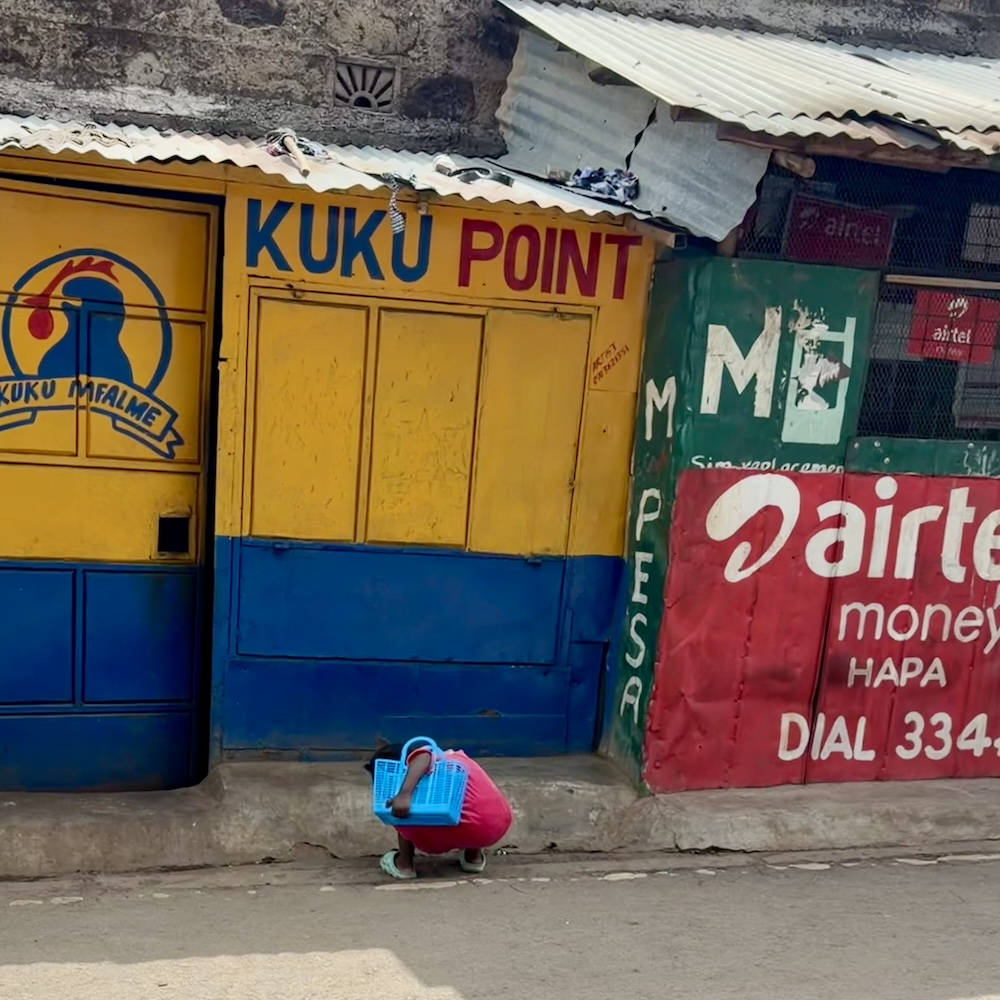
Korogocho is one of the largest and most underserved communities in Nairobi’s Mathare Valley, a valley where nearly three million people live within just four square miles. It’s a place marked by extreme poverty, overcrowding, instability, and limited infrastructure.
For more than 25 years, Missions of Hope International (MOHI) has had the privilege of joining in God’s work in this community, walking alongside children and families through education, discipleship, and holistic care.
Life here is incredibly difficult. Families face unemployment, poor sanitation, environmental hazards, crime, and deep social challenges. Korogocho has long struggled with some of the highest rates of violence and exploitation in the region.
Then in 2024, disaster struck.
A devastating “500-year” flood swept through Nairobi. Korogocho, built along the Mathare River, was among the hardest hit. Homes were destroyed. Families lost everything.
And the community lost something priceless: MOHI's Grogan School.
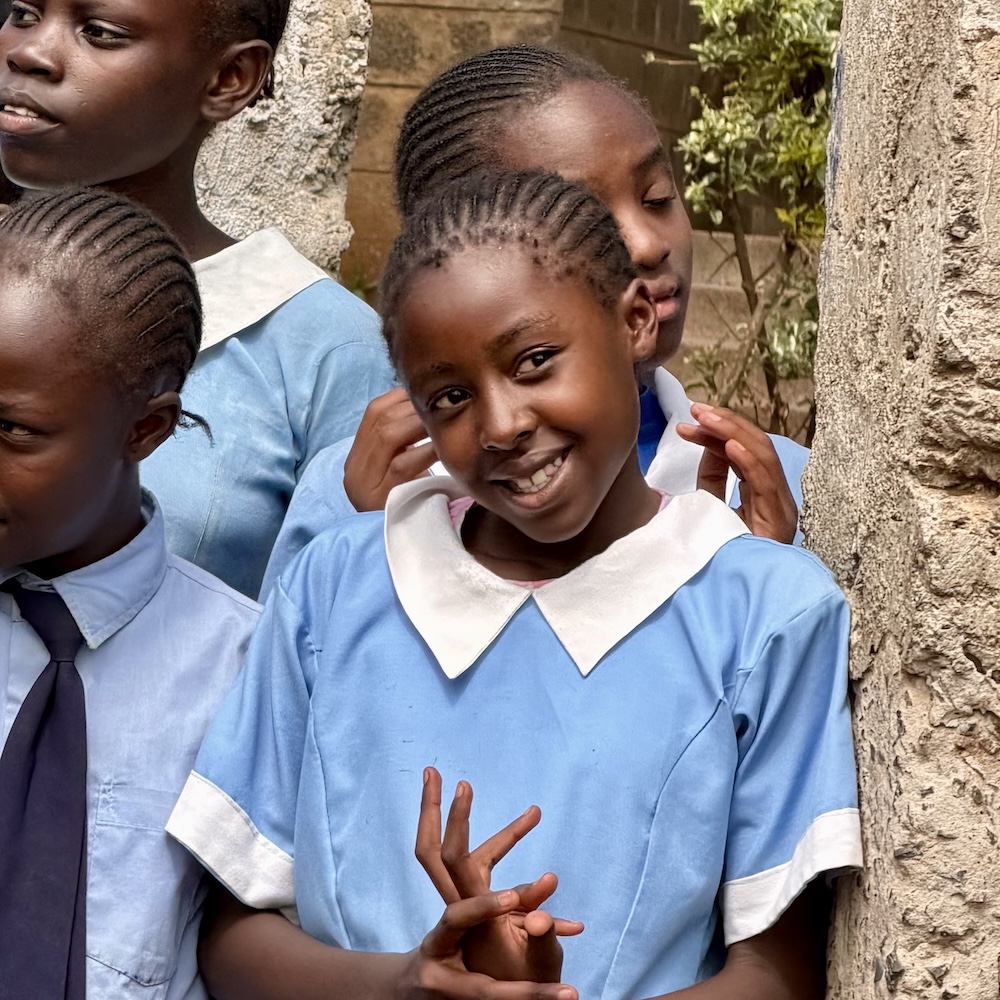
Opened in 2012 with just 66 students, Grogan School grew to serve over 800 learners, becoming a source of light and opportunity in a difficult place.
The floods destroyed it all. Buildings were washed away, materials lost, and students displaced into temporary rented spaces. And yet, the students endured.
Despite overwhelming challenges, Grogan continues to rank among the top-performing MOHI schools. This is a community defined not by loss, but by resilience.
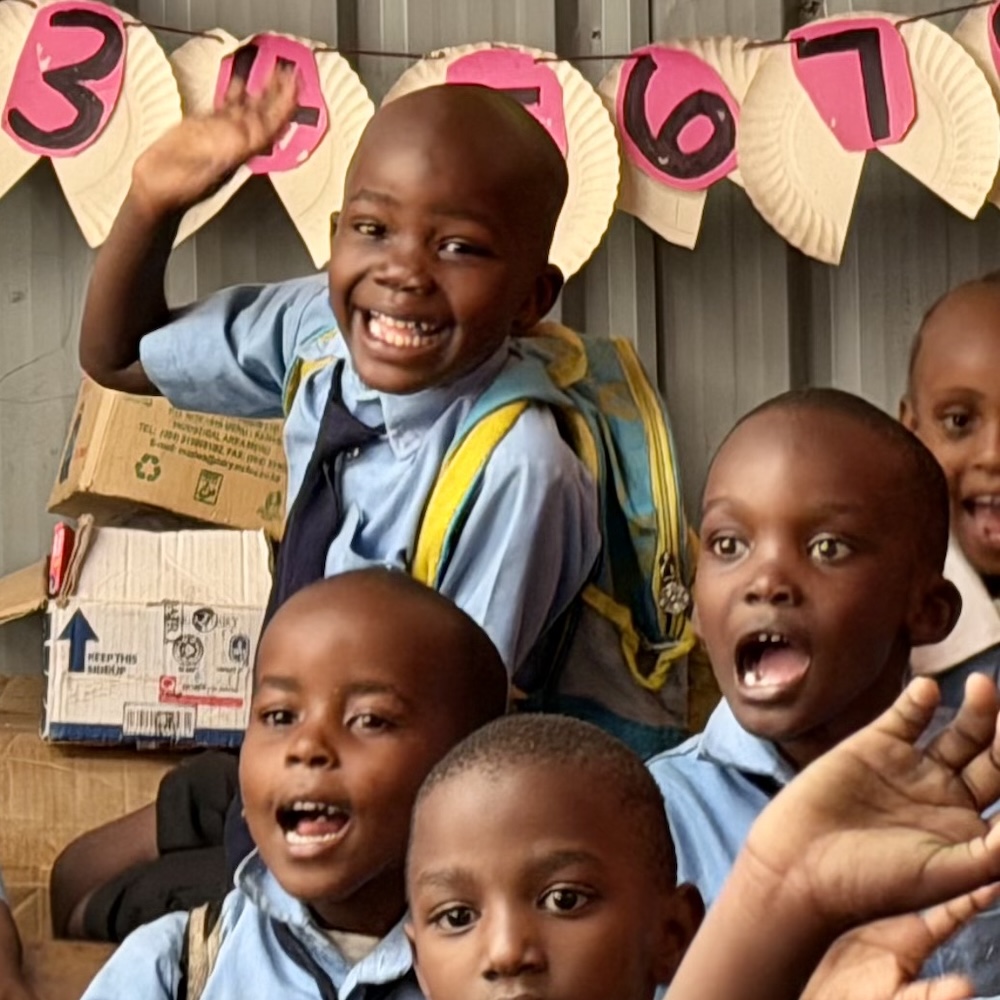
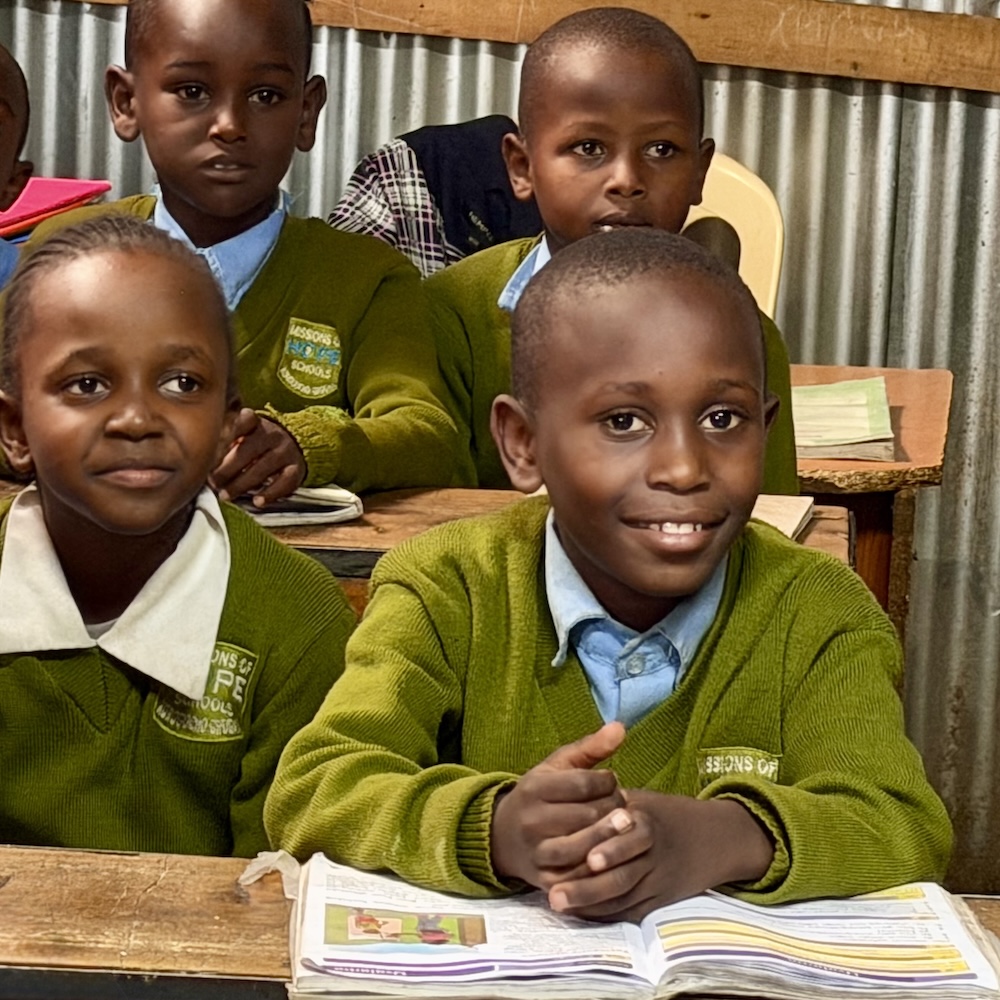
The Grogan School is supported by three longtime church partners committed to walking alongside the Grogan community. Even before the flood, they recognized the need for a permanent school located farther from the river. Progress was delayed, however, as they worked to secure suitable land and obtain a proper title.
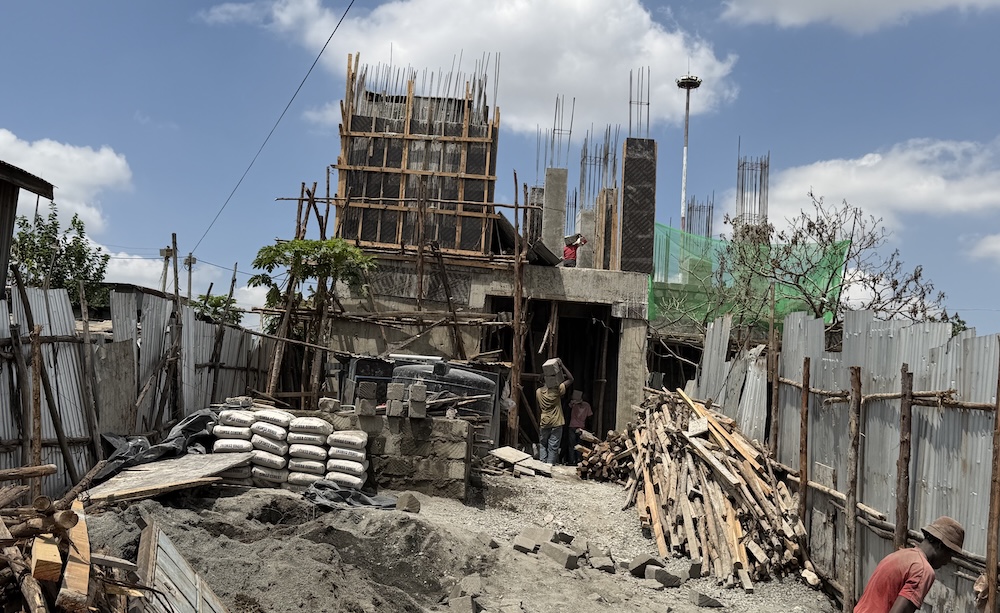
Thankfully, land has now been secured, and construction has begun on a new building that will ultimately rise to eight stories, housing classrooms, offices, and social work services to serve the community.
This is where we come in! Our Kilimanjaro climb in September 2027 aims to build a permanent Grogan School. The cornerstone is laid, the foundation set…all we need now is to finish the job!
-
Permanent classrooms for Grogan students
-
Space for school leadership, teachers, and social work services
-
A long-term ministry hub for education, family support, and Christ-centered care
-
Stability for a community that has already endured tremendous loss
Trip Overview
trip cost: $2,900 + airfare
Trip costs includes the following:
- National park gate fees and daily use fees
- All transportation (includes transportation in Nairobi, from Nairobi to Moshi and from Moshi to starting point on mountain and return to Moshi, and back to Nairobi/airport)
- Tent lodging fees
- Certified, experienced, English-speaking guides and experienced trip leaders
- Salaries for porters, cooks and guides
- Rescue fees (required by the national park)
- All meals in Nairobi, Moshi, and on the mountain
- Two nights lodging in Nairobi (twin occupancy)
- Two nights accommodation at Springlands Hotel in Moshi (twin occupancy)
- Baseball cap


FULFILL A LIFE DREAM, LEAVE A LIFE LEGACY

This adventure of a lifetime trip provides you with an opportunity to fulfill a life dream and change the lives of children who live in poverty.
The funds you raise and/or give will help build the Grogan School, where students receive an excellent Christian education, nutritious food, and the opportunity to hear the life-changing message of Jesus Christ.
We’ll give you some tools, ideas and your personal online fundraising page to help you reach your goal. We encourage you to ask your friends, work associates, relatives, and church groups to give to help these children find hope and opportunity.
Your friends and associates will be amazed when you tell them you’re climbing Kilimanjaro and they’ll be encouraged to give when you ask them to sponsor your climb to help the children at Missions of Hope. Together, our team of climbers is committed to raising $500,000 toward the construction of the Grogan School. But the full vision requires more. Our stretch goal is $1 million—to fully complete the school and expand its impact for generations to come.
We’ll help you create your own online fundraising page on the CMF website to use and to share with your network on various social media channels to make giving quick and easy for them.
everything you need to know
Trip Itinerary – September 5-16, 2027
Depart from the US airport of your choice for Nairobi, Kenya. You’re responsible to book and pay for your airfare to and from the US. Be sure to make your travel arrangements such that you arrive in Nairobi by no later than late evening on Sunday, September 5. Ground transportation from the Kenyatta Airport to MOHI Guest House will be provided by Missions of Hope International (MOHI). Note: If you arrive prior to September 5 and need lodging, let us know and additional housing can be reserved for you for an added charge.
Sept. 8: Drive from Moshi to Londorosi Park Gate (2250m, 1.5 hours). From here a forest track requiring a 4WD vehicle leads to Lemosho Glades (2000m, 11Km. 45minutes) and a possible campsite. Walk along beautiful forest trails to Mti Mkubwa (big tree) campsite, (2750m, 3 hours).
Sept. 9: The trail gradually steepens and enters the giant heather moorland zone then crosses the Shira ridge at about 3600m to drop gently down to Shira 1 camp located by the stream on the Shira plateau (3500m, 5 hours).
Sept. 10: A gentle walk across the plateau leads to Shira 2 camp on moorland meadows by a stream (3850m, 1.5 hours). A variety of walks are available on the plateau making this an excellent acclimation day.
Sept. 11: The moorlands soon come to an end and the rocky path leads to outcrops to the Lava tower (this is optional if one is not taking western breach) where there are good campsites (4600m, 5 hours) then continue to Barranco hut (3900m, 2 hours).
Sept. 12: After breakfast we leave Barranco ridge, walk up the Baranco wall that ends up at the foot of the Heim glacier. Passing the Barranco wall, walk along to along to Karanga valley (4 hours).
Sept. 13: Continue to the Barafu hut which is located at an altitude of (4600m) here we make camp, rest, enjoy dinner and overnight. The two peaks of Mawenzi and Kibo are seen from this position.
Sept. 14: Wake up very early, at around midnight, take some light tea with cookies, start trekking to the summit, the Uhuru peak (5895m 8 hours). Spend some time at the summit. Start descending to Barafu hut for brunch and some rest, then walk down to Mweka hut for dinner and overnight.
Sept. 15: On our last day, we continue the descent to Mweka Gate and collect the summit certificates. At lower elevations, it can be wet and muddy. From the gate, we continue another hour to Mweka Village. A vehicle will meet us at Mweka Village to drive us back to the hotel. After a well-deserved shower, we'll have a hot lunch at Springlands hotel.
Sept. 16: After breakfast is the end of the tour.
This advice is of a general nature and evaluation is needed for each individual climber by a health professional or by the climbing guide.
HIGH ALTITUDE
Each climber should become knowledgeable about physiologic changes with exertion at high altitude or High Altitude Sickness, so that they are not surprised by some of the potential symptoms.
Potential symptoms of climbing at altitude may include (seek advice for each of these):
- Shortness of breath or fatigue
- Nausea
- Heartburn
- Excess gassiness (belching or flatus) (Seek advice if severe.)
- Headaches
- Dizziness
- Vomiting (Seek advice immediately.)
- Confusion/hallucinations (Seek advice immediately.)
- Staggering gait (Seek advice immediately.)
- Coughing up blood or gurgling breath (Seek advice immediately.)
- Malaria prescription: See your family physician or a travel medicine doctor to receive a prescription.
- Diamox (acetazolamide) can help to reduce or prevent the symptoms of High Altitude Sickness, but it cannot prevent High Altitude Sickness in all individuals.
Each climber should personally bring the following and adhere to packaging instructions:
- Sunscreen (preferably greater than 50 SPF) — Have this readily available in your day pack while hiking.
- Lip balm with SPF — Have this readily available in your day pack while hiking.
Carry these medicines for possible use as needed in the daypack:
- Acid-reducer (such as omeprazole 20 mg, TUMS, Pepcid) — enough for 5 days
- Ibuprofen (Advil, Motrin) 200 mg —at least 30 pills (2 pills 3 times per day for 5 days)
- Acetaminophen (Tylenol) 500 mg — at least 30 pills (2 pills 3 times per day for 5 days)
- Bismuth subsalicylate (Pepto Bismol) — at least 30 pills (2 pills 3 times per day for 5 days). This can potentially help for diarrhea or upset stomach symptoms.
- Loperamide (Imodium) 2 mg (approximately 12 pills) — for diarrhea
- Ciprofloxacin (Cipro) 500 mg
DRINK WATER FREQUENTLY AND IN ABUNDANCE (2-3 liters while hiking and 1 liter with each meal).
Each climber should cut his or her toenails VERY SHORT a few days before starting the climb. The descent will place a lot of pressure on the tips of the toes.
IMMUNIZATIONS
Again, it’s advisable to talk with your family physician or a travel medicine doctor to determine which immunizations you need prior to the trip. Here are the immunizations recommended by the CDC.
Make sure you are up-to-date on routine vaccines before every trip. These vaccines include:
- Measles-mumps-rubella (MMR) vaccine
- Diphtheria-tetanus-pertussis vaccine
- Varicella (chickenpox) vaccine
- Polio vaccine
- Yearly flu shot
These immunizations are also recommended for our trip:
- Hepatitis A
- Hepatitis B
- Typhoid
- Meningitis (Meningococcal disease)
- Yellow fever (must have yellow fever card to enter Tanzania)
TRIP COST: $2,900
TRIP COSTS INCLUDE THE FOLLOWING:
- National Park gate fees and daily use fees
- All ground transportation (Includes: transportation in Nairobi, from Nairobi to Moshi and from Moshi to starting point on mountain and return to Moshi, and flight back to Nairobi)
- Tent lodging fees
- Certified, experienced, English-speaking guides and experienced trip leaders
- Salaries for porters, cooks, and guides
- Rescue fees (required by the national park)
- All meals in Nairobi, Moshi, and on the mountain
- Two nights lodging in Nairobi (twin occupancy)
- Two nights accommodation at Springlands Hotel in Moshi (twin occupancy)
- Baseball cap
ADDITIONAL COSTS ON YOUR OWN:
- Airfare to/from Africa (See suggested list of travel agents below)
- Visas (Kenya $50 — single entry and Tanzania, $100). You get your Kenya visa online in advance. Your leader will provide a link and instructions. We’ll get our Tanzania visas when we cross the border
- Passport (must be valid within 6 months after the date of our trip)
- Personal gear
- Immunizations and malaria pills
- Trip insurance (see suggested list)
- Tips for guides/porters/cooks; suggested amount $160-175. We’ll pool our tips for one group tip. NOTE: If there are individual guides/porters that you personally want to thank, then you can give them a small, additional tip personally or gift him some of your gear to express your appreciation).
- Meals to/from Africa
YOUR TRIP LEADER:
Kristen Hodge: Kristen was a part of the very first CMF climb for Missions of Hope in 2017. This will be Kristen's fourth Kilimanjaro climb and she will be assisted by two other experienced leaders. Kristen will be your primary point of contact for the preparation and fundraising. God has given her a passion for making and growing disciples for Jesus though hiking, sport and adventure. She is a volunteer for the Mission of Hope Sports Ministry and long time CMF Board Member.
TRIP REGISTRATION DEADLINE
Only 25 spots are available for this trip. We anticipate it filling up quickly, so don’t delay in reserving your spot. To secure your spot for this life-changing adventure, you must submit your $500 deposit by September 30, 2026.
Note: Your deposit is non-refundable. All trip funds are due to CMF 75 days prior to departure. A suggested trip payment schedule will be provided.
NEXT STEPS
Once you have made your deposit or expressed interest, our trip leaders will send you regular updates to help you train and prepare for the trek. We’ll help you every step of the way. Your excitement for this great adventure of a lifetime is going to build, so be sure to get your deposit in today!
TRIP CANCELLATION POLICY
Important Note: The initial registration deposit is non-refundable. If a participant decides to withdraw from their CMF adventure trip, all additional trip fees can be fully reimbursed up to 75 days prior to the trip's start date. However, within 75 days of the trip, all additional trip fees are non-refundable.
SUGGESTED TRAVEL AGENTS
CMF does not officially endorse or have any connection to these travel agents, but we have used them with good success in the past. This list is provided to simplify and speed your process of getting your trip tickets and to hopefully ensure you get the best price.
|
Regal Travel By Design Nancy Thaxton 304.776.5907 regaltravelbydesign.net |
AFC Travel Anthony Hilden 952.886.7676 afctravel.com |
Fly Me World Mohan 949.981.1707 flymeworld.com |
Faith Ventures Contact Name? 1-844-811-3213 faithventures.com |
TRAVEL INSURANCE OPTIONS
CMF does not officially endorse or have any connection to these insurance companies, but we have used these companies with good success in the past. This list is provided to simplify and speed your process of getting your trip insurance.
- International Volunteer Card
- Good Neighbor Insurance
- IMG Patriot International Plan
- World Nomads
Your team leaders and CMF staff are your fundraising coaches -- this is done as a team! CMF has created an easy, user-friendly fundraising tool to help you raise the $10,000 commitment support for this trip. You will be sent simple instructions to create your own unique fundraising page. Funds are due at the following deadlines, helping ensure that you reach your fundraising commitment. Participants are expected to actively engage in fundraising efforts toward the minimum goal of $10,000. CMF is committed to supporting each climber in this journey and also reserves the right to reevaluate participation if a good-faith effort toward fundraising is not demonstrated.
-
50% ($5,000) on or by March 1, 2027
-
75% ($7,500) on or by June 1, 2027
-
100% ($10,000) on or by September 1, 2027
If you need assistance at any time, please contact adventure@cmfi.org.
You can arrive early or stay longer to add some of these adventures to your trip to Kenya.
African safari — Following your successful climb of Kilimanjaro, you can choose to stay and enjoy a three-day safari adventure. Your trip leader can assist with pricing. This trip will be coordinated by CMF and MOHI. Additional details and pricing will be available later for those interested.
Nairobi National Park — A short drive out of Nairobi’s central business district is the Nairobi National Park. Wide open grass plains and a backdrop of the city scrapers and scattered acacia bush play host to a wide variety of wildlife, including the endangered black rhino, lions, leopards, cheetahs, hyenas, buffaloes, giraffes and diverse bird life with over 400 species recorded. Visitors can enjoy the park’s picnic sites, three campsites and the walking trails for hikers. This trip will be coordinated by CMF and MOHI.
Nairobi Giraffe Center — Located 40 minutes from Nairobi’s City Center, you can meet and feed one of the 10 giraffes in this center.
Fairview Coffee Estate—You can tour this estate, which is a 25-minute drive outside of Nairobi, by foot on a two-hour guided walk, or rent a bike on the property and wheel yourself around the pristine gardens, waterfall and gently sloping dirt roads. You’ll also get a tasting of the house java, tasty Kenyan pastries and a bag of beans to take home.
European City Tour—On your way to or from Africa, it’s an ideal time to add an overnight or two to enjoy the culture, history and food of the European city of your choice. The only added cost for this is your hotel, ground transportation, and meals; pretty minimal for a great European city visit.
MISCELLANEOUS TIPS + TRICKS TO MAKE YOUR EXPERIENCE EVEN BETTER
- For more detailed information on all things related to Mt. Kilimanjaro, visit climbmountkilimanjaro.com
- Bring the newest U.S. bills ($50s and $100s) that you can find. You will also want to bring $50-75 in small U.S. bills ($1s, 5s and 10s) to make souvenir shopping, tips, purchasing rental equipment, renting a safe deposit box, purchasing drinks/snacks, etc. at Springlands Hotel easier. Total cash suggested to bring: $250-350.
- Most places accept U.S. money. While we’re in Nairobi, MOHI can exchange any money you want to use while in Kenya or at the MOHI Gift Shop.
- Kilimanjaro weather forecast
- A great resource to find training hikes near you: alltrails.com
As you prepare for your climb, keep in mind that it may work well for you to buy certain items, borrow some things from a friend or to even rent some needed items from Zara Tours based on your budget and personal preference.
LARGE DUFFEL BAG/BACKPACK (PORTERS CARRY)
- The pack that the porters carry is limited to 15 kg (33 pounds).
- Store electronics in sealed water-proof bags (double-sealed if possible).
- Wrap clothing in plastic bags or dry sack.
- If you already have a backpack or a duffle bag, then you can use either one for your large pack that the porters carry. The maximum weight for this bag/backpack is 33 lbs. (15 kg). If you’re planning to buy something for the trip, a waterproof duffle bag is your best option as it’ll be easier for you to use and it’s also a little lighter than a backpack, which will allow you to pack more items and still stay within the weight limits. A cheaper option is to use any kind of duffle bag and to rent a garbage bag cover from Zara for a few dollars. FYI: The porters will carry whatever pack/bag you bring on their head/shoulders and won’t carry a backpack using the straps.
DAY PACK (YOU CARRY)
- Plan on packing the following items in your day pack:
- 2-3 liters of water (possibly up to 4 L on summit night/day)
- Sunglasses
- Sunscreen
- Rain jacket and maybe rain pants
- Waterproof rain cover for day pack or Dry-sack inside your pack
- Light jacket and/or another layer of clothing for your top half
- Headlamp
- Toilet paper, wet wipes, and plastic Ziploc bag to haul away your refuse
- Medicines (as needed)
- Hand sanitizer
- Lightweight gloves
- Hat and wool hat
- Bandana or handkerchief
- Save room for your lunch
- Optional items: snacks/candy, camera/batteries, umbrella, binoculars
ADD ANY OTHER ITEMS YOU MIGHT NEED DURING THE DAY, SINCE YOU MAY NOT SEE YOUR PORTERS UNTIL THE END OF THE DAY.
CLOTHING
- Your inner layer should be wicking – no cotton. Your next layer should be insulating and warm, and your top layer should be waterproof but breathable.
- You will need clothes for hiking during the day, lounging in the evening and for sleeping. Layers are important as temperatures vary greatly. Kilimanjaro may be near the equator, but it gets cold up there!
- Shorts, for first and last day only
- Pants, for hiking and for lounging in the evenings
- Short-sleeved or T-shirts
- Long-sleeved shirts, for hiking and for lounging in the evenings
- Long underwear
- Fleece jacket or wool sweater
- Fleece pants
- Down jacket or ski parka (for temperatures well below freezing plus wind)
- Rain jacket, needed in hot rainforest and cold snow
- Rain pants, needed in hot rainforest and cold snow
- Underwear
- Sport bras for women
COLD WEATHER ACCESSORIES
- Mittens and/or gloves (waterproof, one thin pair, one thick pair that can be layered)
- Wool hat
- Balaclava or neck gaitor
FOOTWEAR
- Be sure to break in your shoes before the hike!
- Trekking shoes for hiking during the day, preferably warm, waterproof, and with ankle-support—not too light and not too heavy.
- Hiking socks for warmer conditions
- Wool socks for colder conditions
- Crampons (metal spikes that attach to your boots) are not optional!
OTHER GEAR
- Sleeping pad
- Sleeping bag (rated in the range of 18 degrees to -10 degrees F is recommended).
- Water bottles and/or Camelback (2-4 liters of capacity)
- We’ll fill our water bottles in Nairobi and bring along extra bottles of water from MOHI’s Hope Springs for the ride to Tanzania and for the first day of the hike. Bottled water is also available at the Springlands Hotel for an additional cost. Your guides will boil water for you along the route.
- To prevent water from freezing on summit day, keep your water source inside your jacket. For Camelbacks, blow air back into the bladder after each sip and drink often.
- Gatorade or other drink mix helps with taste and minerals.
- Sun hat with brim
- Sunglasses
- Trekking poles
- Headlamp
- Extra batteries for headlamp/flashlight and camera because cold weather shortens battery life.
- Electricity adapter
- Energy bars, hard candy, snacks, and comfort foods
- Plastic bags and zip-lock bags for waterproofing
TOILETRIES
- Toilet paper (and baggie to carry used paper while on trail)
- Small washcloth, small towel (The porters provide a small basin of hot water each morning and some evenings to wash with if you wish.)
- Soap
- Toothbrush and toothpaste
- Handi-wipes (moist towelettes for cleaning)
- Hand sanitizer
- 2-3 handkerchiefs and/or Kleenex
- Sunscreen (You’ll want to use it even if looks cloudy or like you don’t need it!)
- Aquaphor to prevent windburn
- Lotion
- Glasses, contacts, solution; take contacts out each night to prevent blurred vision.
- Comb/brush
DOCUMENTS
- Passport
- Yellow fever certificate (required to enter Tanzania!)
- Medical insurance
- Vaccination records
- Make copies of passport, airline tickets/schedule, and travelers checks numbers. Leave a copy with someone at home and put a copy in a separate place in your luggage. It’s also a good idea to take a picture of your passport with your phone.
OPTIONAL ITEMS
- Medicines/prescriptions (including malaria and high-altitude meds)
- Camera, film, tripod
- Binoculars
- Notebook, journal, pencil, and pen
- Gaiters
- Hand and foot warmers (chemical activated)
- Insect repellant with DEET
- Tennis shoes or sandals for lounging in the evening
- Pocket knife
- Sewing kit
- Playing cards, games, books
- Alarm clock
*For a full list of rental items available from Zara Tours, check the Zara website (zaratours.com).
“You will learn there's more in you than you imagined. You will experience God at work in you, in others, and through MOHI. You'll discover the lengths you will go to for the good of others. You will feel alive physically and spiritually!”
“You help raise funds for a cause bigger than yourself and you get to meet new people and share an experience that will challenge you and that you will remember for the rest of your life!”
“Trip of a lifetime, a should-not-miss opportunity!”
“It is not the mountain top that was rewarding but the journey and friendships made along the way.”
“It's a bucket list climb for a hugely worthy cause!”
“Climbing Kilimanjaro is a once in a lifetime opportunity. But going through CMF allowed me to not only do this for myself but to help others. There was a purpose other than reaching the summit. Don't do this just for you. Do it to raise money and awareness for children in Africa. You will learn a lot about yourself through this journey. Don’t let the fundraising scare you. You will be shocked at the people who support the mission you are raising money for.”